How to RV Responsibly

With the enormous rise of new RVers since 2020, here’s how to avoid being the troublesome neighbor at the campground.

  1. Plan your campsite ahead of time. There are numerous apps for finding RV campsites, from traditional spots at KOA’s to boondocking recommendations in the desert, there are campsites for every taste out there. The most important part about choosing one is  researching beforehand. Some good apps for this are iOverlander, the Dyrt, Free Roam, and Outly. 
  2. Leave No Trace. Just like you wouldn’t want to leave parts of your RV behind after the trip, the great outdoors doesn’t want to permanently change because of your RV. Practice leaving no trace by picking campsites that have already been used by vehicles in the past, carrying out all of your trash, only dumping at approved waste stations, and most importantly, never dump black water on the land.

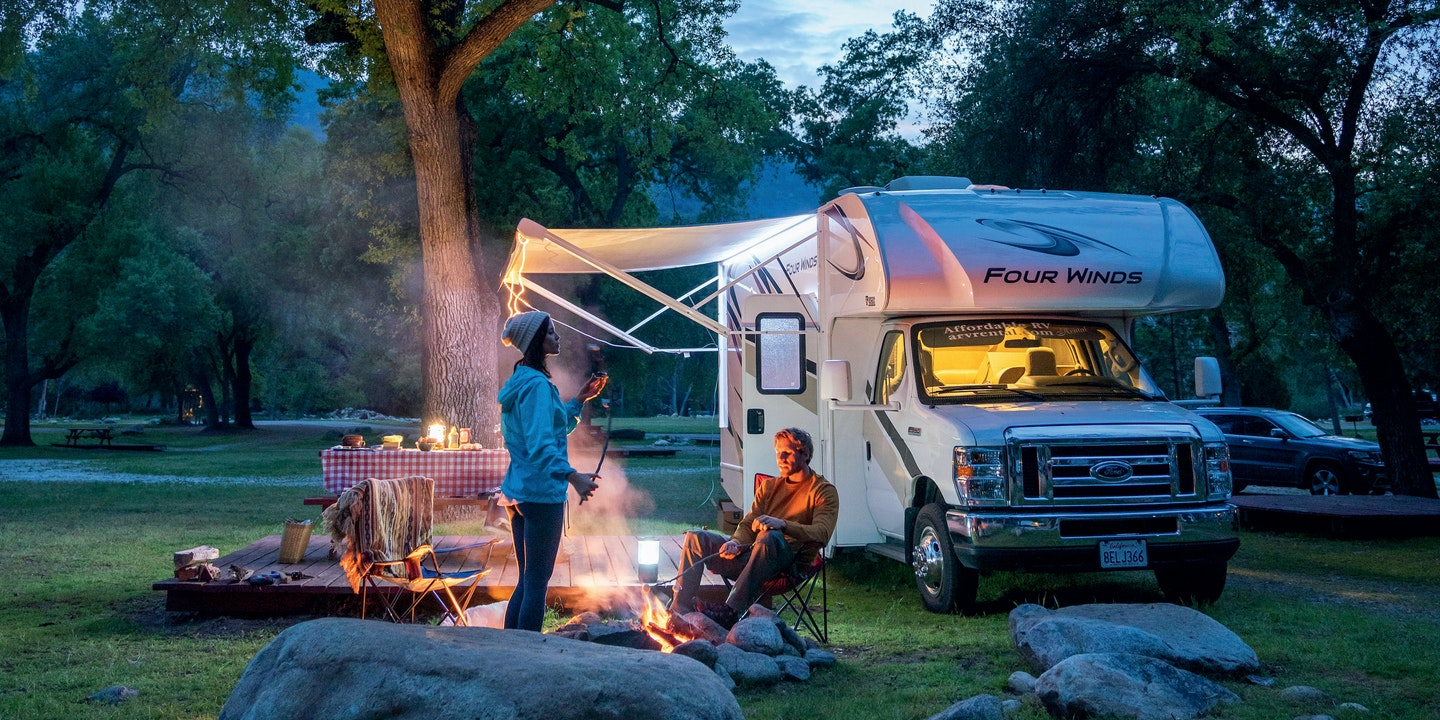
  1. Be campfire conscious. Much of the United States is at near constant risk of wildfires, and many campgrounds have little wood left in the area from ambitious firestarters. Many campgrounds recommend only lighting a fire if you need it for warmth or cooking. If you must make one, never leave it unattended, and extinguish it with lots of water. 
  1. Be mindful of quiet hours, and the location of your pets and children. 

There’s nothing better than friends and food at the campground. Follow the Pete’s RV Info Blog for more information about how to be the best RVer you can be!
A Guide to Using RV Propane Tanks

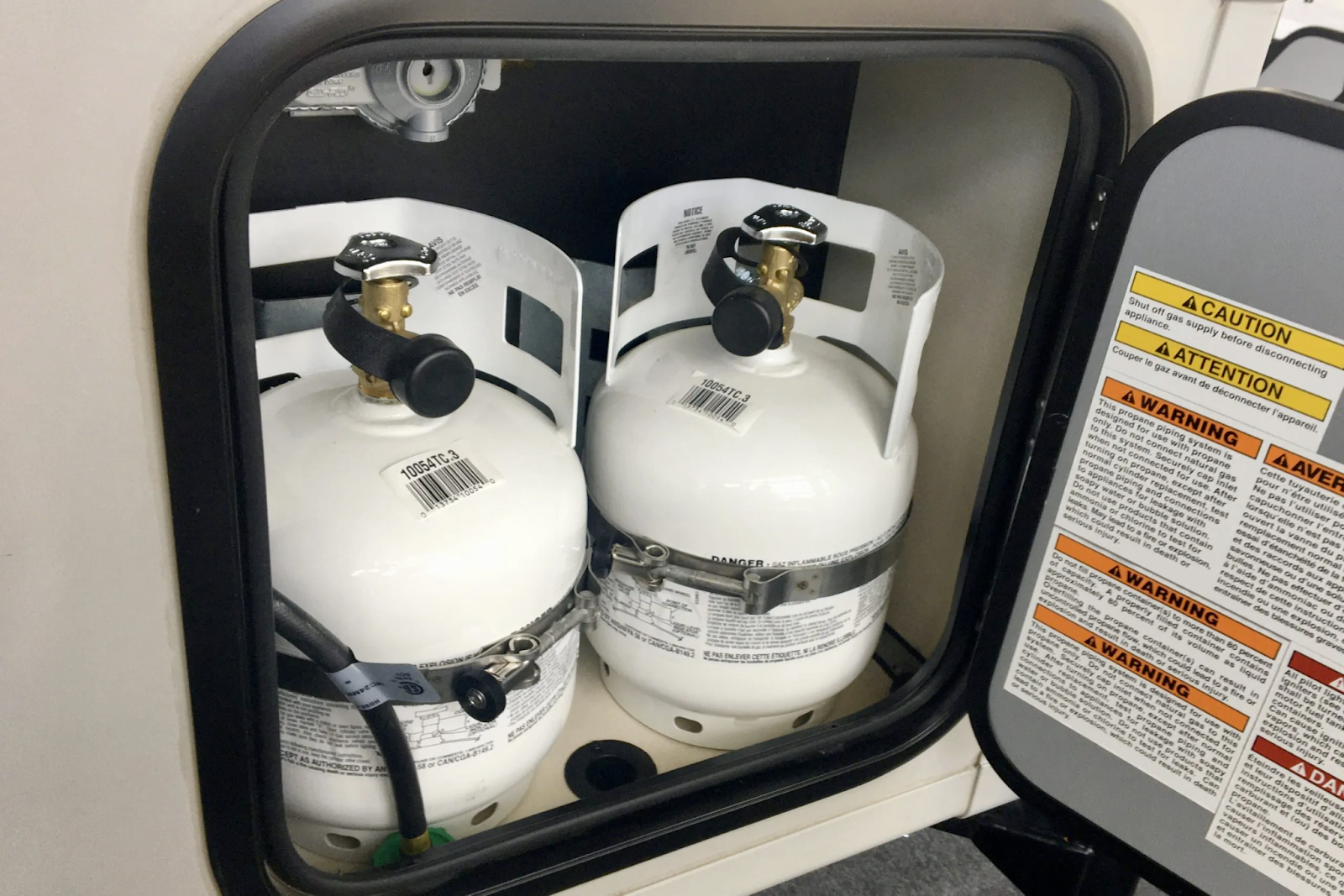
The All-Important tanks on the front of your travel trailer might just be the most versatile tool in your RV. Propane lets campers cook, run heat, make hot water, and power appliances, all without needing to connect to electricity. It is frequently recommended that campers who are connected to electricity use propane sparingly.

To maintain your propane tanks, make sure to do the following:

Keep watch of the age of your propane tanks. The manufacturing date is stamped on the tank, and it needs to be replaced or recertified after 12 years. 

Turn on your fridge the night before with propane, so it’s cold enough at the start of the camping trip. Switch to electric if you’re going to a campsite with a hookup.

Check the propane flow by “bleeding” the system. Turn on your stove and let the flames burn until they’re blue. This gets the air out of the propane lines, clearing out room for you to turn on other appliances. 

Greystone 21 Inch RV Gas Range, 12 Volt, LP | Way Interglobal RV Appliances

If you smell gas, turn off all propane tanks and RV appliances! The strong smell of propane gas indicates a leak, and you’ll need to replace the seal and tank. Do not attempt to repair leaks yourself, as propane is stored in its tank at -44 degrees, which will give you frostbite at the touch. 

Keep a working carbon monoxide alarm and propane safety alert inside your RV.

Avoid using propane in a moving vehicle, and always keep your RV well-ventilated when cooking or using propane inside. 

The RV Cooking Bible | I Heart RVing

For more RV tips, tricks, and news, follow our Pete’s RV Infoblog!

Essential RV Tips: Using Antifreeze

It’s that time of year again: time to dump lots of brightly colored liquid into all of your RV drains. You Need Antifreeze! What do you need to know about it?

RV and Marine antifreeze, conveniently packaged in the same bottle, surprisingly doesn’t protect against freezing, which isn’t necessarily harmful. It’s designed to prevent bursting, the plumbing damage that comes from ice freezing, expanding, and then rupturing. A rupture can result in gallons of pipe water flooding into the RV, causing a headache of damages. 

“RV antifreeze rated for -50 F and -75 F will start to freeze at around 20 F, but it won’t freeze to the burst point until -50 F or -75 F respectively.

In parts of the country where temperatures go into minus digits and stay there you should use the -100 F antifreeze for added protection. This type freezes at about -20 F, but provides burst protection to -100 F.” Said girlcamper.com. 

The most important part of using antifreeze is draining as much water or waste liquid from the pipes as possible. Antifreeze mixed with diluted water from an undrained pipe will burst far sooner than the temperature estimates on the bottle that assume there’s little to no water in the pipe. 

After winter is over, you can fill your pipes without water once again without worrying about draining the antifreeze, which is typically nontoxic. Of all the preparation your RV needs for winter, put antifreeze–and saving your pipes–at the top of the list. 

For more tips about winterizing your RV, check out our Winterization Tips with Pete’s RV Guru Randy Murray. 

Pete’s RV Center Joins America’s Largest RV Show

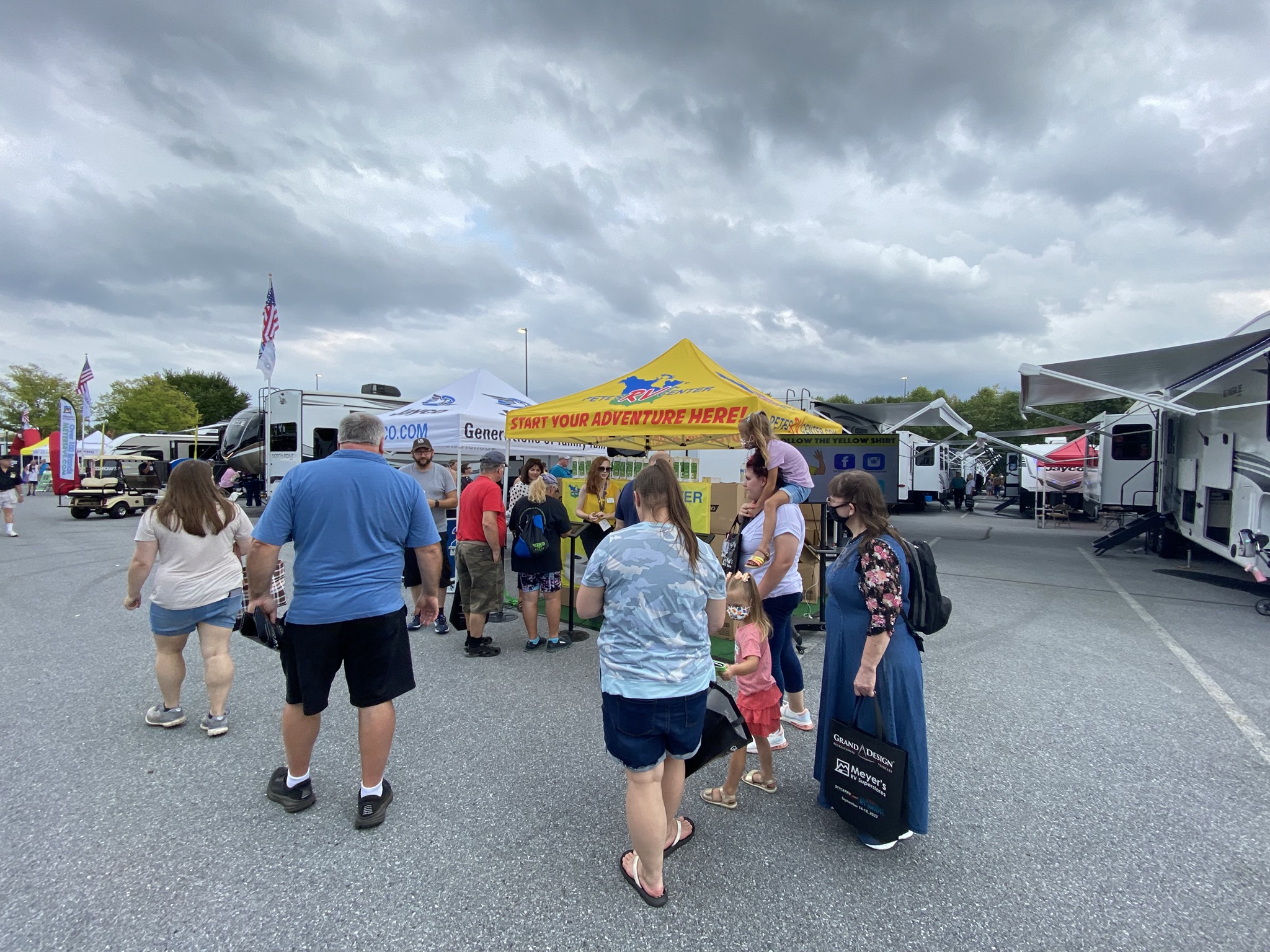
Pete’s RV Center is proud to have attended the 52nd Annual America’s Largest RV Show in Hershey, Pennsylvania this past week for the first time as a RV Dealership Group.

61,320 people attended the four day show from September 15th – 19th, according to the Pennsylvania RV and Camping Association. This was the second largest recorded attendance ever at the show, close behind the 2017 record. The area around Hershey’s Giant Center was filled with over 1,200 RVs from over 30 different manufacturers.

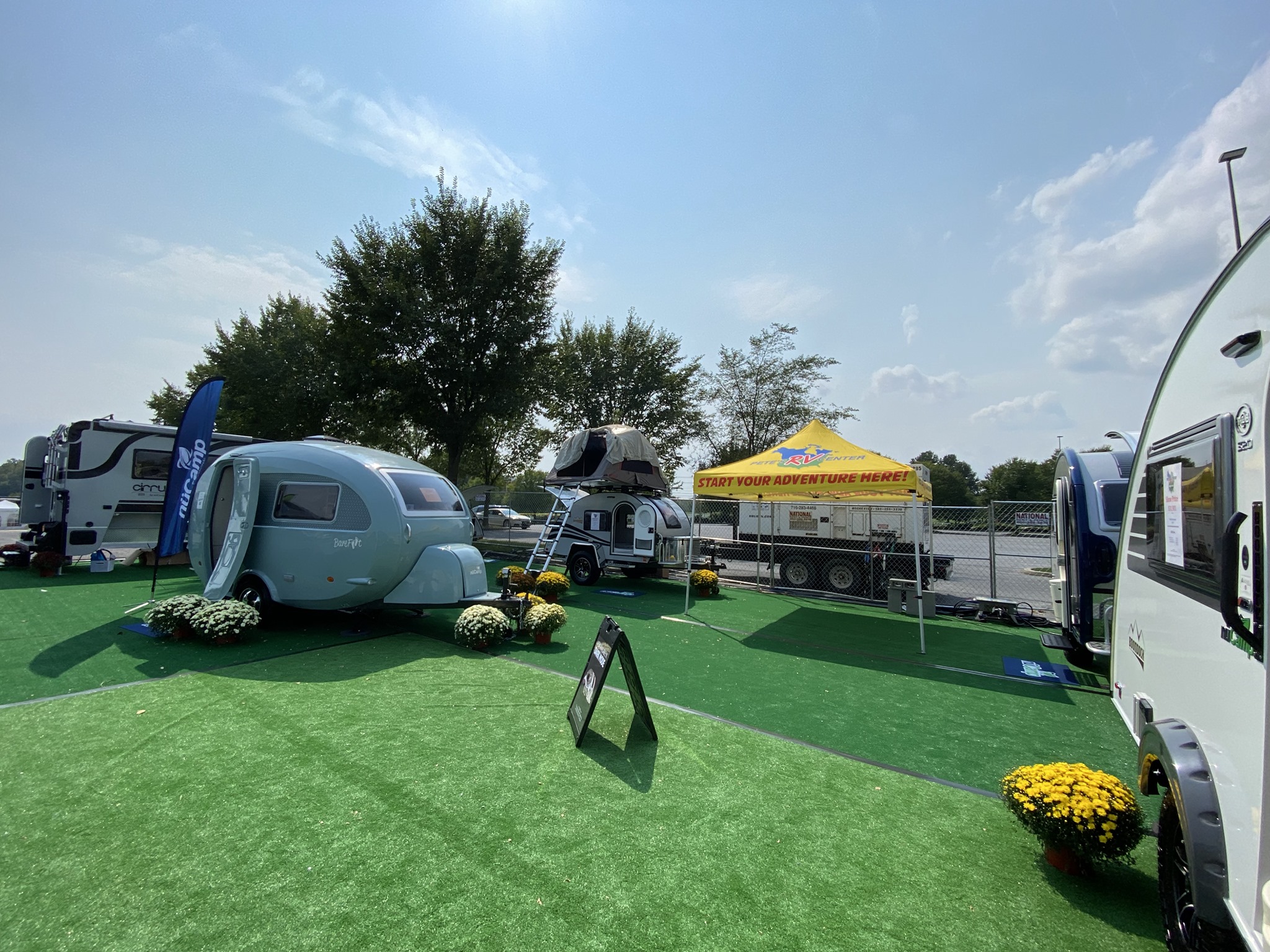
Pete’s RV Center was stationed next to both the Jayco and nuCamp displays, bringing several dozen RV Lifestyle Consultants in our famous Yellow Shirts.

Both the Jayco and nuCamp RV displays were popular with showgoers, reflecting RV enthusiasts’ taste for the quality craftsmanship and reputation of Jayco, along with the eye-catching and lightweight teardrop trailers by nuCamp. 

Some of the most popular RVs on site were the Jay Flight 264BH and 284BHS, the T@G 400 BOONDOCK, the White Hawk 32BH, Jay Feather Micro 199MBS, and several different Jayco Greyhawk motorhomes and T@B Teardrop Campers. This reflected the many styles of RVs at Pete’s RV Center, from teardrops and lightweight travel trailers to couples motorhomes to family style bunkhouses.

“The Hershey Show got positive reviews from industry attendees, more so at this point than most exhibitors could have imagined – the message being that the modern surge in pent-up retail demand is apparently continuing despite the well-known limitations regarding dealer inventories,” said RVBusiness.com, noting that the RV industry hasn’t seen a show this large since fall 2019.

The Hershey Show is unique not only for being America’s Largest RV Show, but for giving attendees the ability to purchase RVs right at the show, and potentially save on transportation costs.

“In addition to RVs, campgrounds, vacation destinations, RV parts, products and camping supplies are also available,” according to the Largest RV Show website.

“Demand is still there,” Jayco President Ken Walters told RV Business, emphasizing that product that could be delivered at the show was a high priority for the customer. “People wanted it, and they wanted it now.”

With Pete’s RV Center’s Pennsylvania dealership located just 27 miles from Hershey in Mountville, Pennsylvania, the show isn’t over. Our Hershey Inventory is still available at our special Showgoer Pricing at https://www.petesrvpa.com/hershey

Tracking Your RV Maintenance

It’s relatively easy to know when your tires need changing and rusting needs a touch up, but how are you keeping track of all the routine maintenance that needs to be done on your RV? Not everyone can be an expert in keeping every little piece of your travel trailer or motorhome up to date, so there’s bound to be something you don’t know how to care for. As usual, there’s an app for that!

maintainmyrv.com is now a part of RV LIFE Pro Suite, which for $49.00 per year sets up a schedule customized for your RVs maintenance timeline based on schedules already recommended by RV manufacturers. You will get an email alert when it’s time to maintain a part or get service, and can track expenses, key dates and fuel consumption.

The best part? Tracking up to 3 vehicles means you can also keep up with the car or truck that’s towing your RV, ensuring smooth sailing on camping trips. Give it a try, they offer a 7-day free trial!

If you want to take care of your RV without outside help, there are a few common fixes you may want to get a jump on. Inspecting the unit’s roof and seams to look for any leaks or holes is important to reduce leaks, so don’t forget to check those skylights!

Checking your tire pressure should be done before every camping trip, just as you’ll need to check your car or truck’s pressure if you’re towing a travel trailer. It’s also a good idea to check on the battery life and waste systems before each trip, as either of those acting up could make camping very unpleasant.

Each spring, check on your RVs brakes and slide outs, pursuing professional service if necessary. This is also a good time for an oil change and possible air conditioner filter replacement. Putting each of these critical RV maintenance items into your calendar now will help you preserve your RV’s value and avoid a disaster situation at the campground or on the road.

For more RV maintenance tips and tricks, check out our Pete’s RV Center YouTube channel which includes a playlist of your most common camping questions.

How to Achieve Extended Hot Showers When RVing

How to Achieve Extended Hot Showers When RVing
Thursday, September 8th, 2016 18:16:23

Pete’s RV Vermont Service Writer and Resident RV Expert Randy Murray provides a step-by-step overview on how to achieve extended hot showers in an RV.

Video Transcript for “How to Extend Hot Water Showers in Your Camper”

Randy: (singing) Hey folks. Randy with Pete’s RV TV here today. Another quick fix segment for you. When you’re camping, do you go to take a shower, do you get about three minutes of good, hot water? And then it starts to go lukewarm on you? And of course your hair is full of soap, and you haven’t rinsed off yet? Happens to me too, but I’ve got a trick. So when we’re camping, different camp grounds have different water supplies. Some of them will have very deep wells. Some of them will have shallow wells. Usually on a deep well, the water coming out of the ground is very cold. This can happen at the spring of the year as well, when the water feeding that well is very cold. So what my trick is for that is I will, when I’m having that problem, I’ll fill my fresh water holding tank. And when I take a shower, I’m actually going to turn the city water off, and I’m going to turn on my water pump and feed the water from the fresh water holding tank.

The reason I do this is the water coming in from a very deep well is mixing with the hot water in your tank, as long as you don’t have a tank-less hot water heater. So it’s mixing with that warm water in the tank and it’s bringing the temperature down very quickly. And we’re also taking water out of the top, so as that cold water is mixing with the hot, it’s going to bring the temperature down. Where if we’re taking it now out of our fresh water holding tank and mixing it with that same hot water in that water heater, it’s going to be ambient air temperature coming out of that fresh water holding tank entering the hot water heater. Rather than the real cold water from the city coming in and cooling down our water a lot faster.

So if you’re looking for a little bit longer shower to get that hair, or that soap out of your hair, fill the fresh water holding tank when you arrive. And use the fresh water holding tank rather than the city while you’re taking your showers. Then you can go back over to city after you’ve done your shower. But that will give you another minute or two of warmer water to get rinsed off. So just another quick tip from Randy at Pete’s RV. Thanks for watching our quick tips segment, and I look forward to seeing you on the road. Happy camping.

The video of this presentation by Pete’s RV Center is available at: https://youtu.be/rljtuXYgpvk?list=PL90E8009ADFC48C0F

Pete’s RV Center is an exceptional dealership group serving the United States and Canada since 1952. With multiple locations, Pete’s RV provides sales, service, parts, accessories, and education to our community of RVers all across North America.

How to Program Your RV TV

How to Program Your RV TV
Friday, July 1st, 2016 15:23:13


Pete’s RV Vermont Service Writer and Resident RV Expert Randy Murray provides a step-by-step overview on how to program your RV TV.

As Randy explains, as you travel you will begin to pick up different TV stations depending on the region you are in. You will continually need to reprogram your TV as you arrive in a new television marketplace. Randy provides you with a step by step guide on how to set up your TV and boost your reception so you won’t have to miss your favorite shows while on the road!

The steps to programming your TV as you travel explained by Randy include:

  1. If running on open air antenna find your camper’s TV booster and turn on your antennas extra power setting (not necessary to do when utilizing cable)
  2. Open the auto channel search menu on your TV (refer to your owners manual if unsure how to do so)
  3. Select “auto channel memory” on your TV
  4. Start your TV’s automatic search mode and let it run until complete

To learn more from Randy as well as stay up to date on all things Pete’s RV be sure to visit and subscribe to our YouTube Channel.

Pete’s RV Center is an exceptional dealership group serving the United States and Canada since 1952. With multiple locations, Pete’s RV provides sales, service, parts, accessories, and education to our community of RVers all across North America.

Pete’s RV Center Acquires Connecticut Dealership Van’s RV

Pete’s RV Center Acquires Connecticut Dealership Van’s RV
Thursday, September 17th, 2015 19:04:54

12120180_1180560445291249_2965507333384649899_o

IMG_6616On September 1st, Vermont-based Pete’s RV Center officially assumed ownership of Van’s RV Center in South Windsor, Connecticut.

Located just 20 minutes from Hartford, Van’s RV has served thousands of customers in Connecticut, southern New England, and New York since opening its doors in 1963.

Looking to step out of day-to-day operations after 40-plus successful years, longtime Van’s owner Mark VanOstrand explained the acquisition as being well-timed and an excellent fit, “The acquisition of Vans RV brings together two of New Englands longest established RV centers.† I am excited to be working with Pete’s RV as we blend together the best of our business practices.”

With the acquisition, Pete’s RV is now selling Jayco-branded recreation vehicles from the Connecticut dealership. “Along with a location that allows for expansion throughout southern New England and New York, being able to offer our customers popular Jayco travel trailer, fifth wheel, and motorhome lines such as Jay Flight, Eagle, and Greyhawk is an opportunity we are excited to take on,” said Pete’s RV co-owner Chad Shepard.

Pete’s RV Center is an exceptional dealership group serving the United States and Canada since 1952. With multiple locations, Pete’s RV provides sales, service, parts, accessories, and education to our community of RVers all across North America.

Setting Up Dual 12 Volt Camper Batteries

Setting Up Dual 12 Volt Camper Batteries
Monday May 19th, 2014 19:02:48

Resident RV Expert Randy Murray displays how to properly connect two 12 volt batteries in parallel for extended dry camping power.† Rather than a single battery connection where you will be required to replace it with a fresh battery, a dual connection alleviates this procedure and provide more even use of battery life.

By connecting the campers positive wire to the positive terminal on one battery and connecting the campers ground wire to the negative terminal on the second battery, Randy illustrates the correct way to achieve equal battery drain and how to ensure top notch battery life.

With the use of jumper wires (one for both positive and negative as Randy explains) that are equal or greater to the gauge of wire found on your camper, connect each line to the corresponding positive and negative battery to complete the connection and enjoy some extended dry camping.

Make sure to subscribe to the Pete’s RV YouTube channel for more quick tips and information on sales and other events!

Going Unhooked: Give Dry Camping a Try

Going Unhooked: Give Dry Camping a Try
Wednesday April, 30th 2014 16:08:03

01-701-RV-boondocking-with-a-fifth-wheel-trailer-in-Wyoming

For those who have not tried it yet, ever thought about giving dry camping a shot?

It means going to a place where there is no electricity, water or sewer hookups and living exclusively off your RV’s internal utilities.

Preparing for a trip where you’ll be dry camping requires a different approach and set of questions before you heading out. If you are new to RVing and leaning more towards dry camping in more remote locations versus full-service campgrounds, it is important to know how well the RV you are shopping is equipped to accommodate your needs. Along with researching online, talking to an experienced RV sales consultant is highly recommended.

Since you will not have an endless power or water supply, or sewage connection, conservation is the key to dry camping. Things, like turning lights on only when they are needed and not running water wastefully down the drain, are a couple of good dry camping habits. Here’s a few more:

  • Learn how much your RV’s fresh water tank can hold and consider bringing a separate supply of drinking water
  • Be crystal clear on your RV’s waste water (black) tank capacity and educate the family on the importance of taking short showers or excessive toilet flushing. Many folks go by the old rule to leave #1 in the bowl and flush when there is a #2.
  • Understand how many hours you will get from a full battery and what it will or will not power. For example, say goodbye to the luxury of an air conditioner and microwave. Most RVs can only power 12 volt appliances when working solely off a battery.
  • Along with hot water and cook tops or grills, many RVs are equipped with dual-power refrigerators. Therefore, you need to know how long your propane tanks will last.

Solar panel battery chargers are becoming more prevalent in the camping community. They can recharge an RV battery during the day when lights and other electric appliance are not being used. Converters can also be purchased that will allow you to use fans, radios and charge cell phones.

One of the best trains of thought you can have when packing for a dry camping trip is not to bring unnecessary electrical gadgets. Bring board games, flashlights with extra batteries, a camping lantern, and Tiki torches. With limited refrigeration and the convenience of microwave cooking, it’s also good practice to think accordingly when stocking your grocery and food supply.

This hardly dry article on dry camping was provided by Chuck Lunberg. See more of what he and others are liking on the TalkCampingNH.com Facebook page!