Pete’s RV Center is planning to open in Saco, Maine this spring. The Maine dealership will be the dealership group’s ninth location, and is going to offer sales, a parts and accessories store, and service center with multiple bays.
Pete’s RV Center – Maine is set to carry a wide variety of travel trailer, fifth wheel, and motorhome brands, including Jayco’s full lineup, Brinkley, nuCamp, and Modern Buggy.
Surrounded by hundreds of iconic destinations for Maine RVers, Saco is just four miles from Old Orchard Beach, minutes from the popular Bayley’s Camping Resort, and only twenty minutes from historic downtown Portland.
“Maine is called ‘Vacationland’ for a reason. We’re thrilled to get the opportunity to become a community fixture in the Saco and greater Portland area, plus be surrounded by amazing campgrounds, beaches, and national parks,” remarked Pete’s RV co-owner Chad Shepard.
Along with the flagship store in Vermont, Pete’s RV Center has dealerships in Connecticut, Massachusetts, Pennsylvania, Indiana, and Virginia.
1. Travel Trailers vs. Fifth Wheels: What’s the Difference?
When it comes to RVing, two of the most popular options are travel trailers and fifth wheels. While they both offer a mobile home on wheels, there are some key differences to consider.
Towing: Travel trailers are towed behind a vehicle using a hitch, while fifth wheels connect directly to the bed of a pickup truck. This means fifth wheels offer better maneuverability and stability, especially in windy conditions.
Size: Fifth wheels tend to be larger than travel trailers, making them a good choice for families or those who prefer more space.
Weight: Fifth wheels are generally heavier than travel trailers, so you’ll need a larger tow vehicle.
2. Connecting and Disconnecting Power
Both travel trailers and fifth wheels require electricity to power their appliances and lights. The connection process is similar, involving plugging the RV’s power cord into a campsite’s electrical outlet. However, there are different types of electrical outlets at campgrounds, so it’s important to ensure your RV is compatible.
3. Airstreams: Timeless Classics
Airstreams are iconic travel trailers known for their sleek, aerodynamic design and durability. These RVs are often passed down through generations, as they are built to last.
4. Airstream Dealerships: A Limited Supply
Unlike other RV brands, Airstream dealerships are not as widespread. In fact, there may only be one Airstream dealer in a particular state. This limited availability can make it challenging to find a new or used Airstream, but it also adds to their exclusivity.
5. Winterizing Your RV: The Pink Fluid Mystery
Preparing your RV for winter is essential to prevent freezing and damage. This process, known as winterizing, involves draining the water system and adding a pink antifreeze solution. This fluid is safe for your RV’s pipes and plumbing but should not be consumed.
6. RV Rentals: A Convenient Option
If you’re not ready to commit to buying an RV, renting is a great way to try it out. Bayley’s Campground in Maine offers RV rentals, making it easy to explore without the hassle of owning your own camper.
7. Cortes Campers: A Unique Design
Cortes Campers are known for their innovative design, which is inspired by boats. This unique construction makes them easy to clean and maintain, as they can be simply sprayed out with a hose.
8. Popular RV Floor Plans
When choosing an RV, it’s important to consider your needs and preferences. Some of the most popular floor plan options include:
Bunkhouse: Ideal for families with children, bunkhouse floor plans offer separate sleeping areas.
Rear Kitchen: This layout places the kitchen at the back of the RV, providing a spacious living area.
Rear Living Room: Similar to the rear kitchen, this floor plan features a large living area at the rear of the RV.
Front Living Room: This layout places the living area at the front of the RV, offering panoramic views.
9. Camper Liquidators: A Secondhand Option
If you’re looking for a more affordable RV, Camper Liquidators is a great place to start. Pete’s RV Center specializes in selling used RVs that are over a certain age.
10. Class A, B, and C Motorhomes: Understanding the Differences
In addition to travel trailers and fifth wheels, there are also motorhomes. These RVs are self-contained vehicles that combine a living space with a driving compartment. There are three main types of motorhomes:
Class A: The largest and most luxurious type of motorhome, offering all the comforts of a home on wheels.
Class B: Smaller and more maneuverable than Class A motorhomes, often referred to as “van campers.”
Class C: A mid-sized option that combines features of Class A and Class B motorhomes.
By understanding the different types of RVs and their unique features, you can choose the perfect one to suit your needs and lifestyle. Whether you’re a seasoned camper or a first-time RVer, there’s an RV out there waiting for you!
As the 2024 RV Show Season continues to kick off, one of the most exciting parts is to get first looks at new floorplans from our manufacturers. Check out some exciting recent additions you’ll find at upcoming RV shows!
Jayco
Comet 18C | Class B Motorhome
Key Features: Aqua-Hot® Hydronic Water and Heating System, Portable Induction Cooktop, 32 in. Overhead TV, 54 in. by 72 in. Convertible Sofa Bed
Pinnacle 38FBRK | Fifth Wheel
Key Features: Magnum XL6 Roof Rafter System, 3,000 Pound Receiver/Tow Hitch with Four Way Pin Connector, Climate Shield™ Zero-Degree Tested Weather Protection, Solid Hardwood Cabinets, GE Residential Appliance Package, Walk in Closet, Rear Kitchen, Sectional Sofa, Desk/Coffee Bar, Bath & a Half, Vanity with Dual Bath Sinks
Forest River
Alpha Wolf 2500RL | Travel Trailer
Key Features: Central Vac Dustpan, Large Convertible U-Dinette, Electric Fireplace, USB/USB-C Ports Throughout Unit, Two-Point entry, Outside Kitchen with an Ice Machine, Pass-through Storage, Oversized 20’ Awning, 15,000 BTU A/C, Security Camera System Prep
Arctic Wolf 27SGS | Fifth Wheel
Key Features: Two Relaxing Recliners, Free-Standing Table with Chairs & Storage Ottoman Seat, Electric Fireplace, Central Vac Dustpan, Panoramic Windows, Tankless Water Geater, 15,000 BTU A/C, Security Camera System Prep, One-touch Auto Leveling
Grand Design
Reflection 10028RL | Fifth Wheel
Key Features: Outside Shower, Double Insulated Roof & Front Cap, Heated Wall Hugger Theater Seats w/LED Lights & Massage, LED Lighting with Motion Sensors, Marine Grade LED Hitch Light, 60 x 80 Mattress with Residential Bedspread, Large Vanity Top w/ Deep Sink, 12V 10 Cu. Ft. Refrigerator, Kitchen Island, Free Standing Dinette w/ Storage Ottoman
Imagine AIM 16BL | Travel Trailer
Key Features: Backup Camera Prep, Oversized Tank Capacities, Universal Docking Station, Exterior Cooking Griddle w/ Metal Pullout Drawer, Magnetic Storage Door Catches, Large Panoramic Window, 78″ Interior Ceiling, Telescoping Dinette Table, LED Interior Lighting, Motion Sensor Entry Lighting (LED), Queen Murphy Bed w/ Storage Drawers
Brinkley
Model Z Air 295 | Travel Trailer
Key Features: Eat-In Kitchen Island w/ Bar Stools, Large Pantry w/ Adjustable Shelves & Appliance Outlet, 14 Outlets & 4 Outlets w/ USB & USB-C, Stacked Rear Bunks w/ Double Mattresses (54”x74”), One-Piece Fiberglass Shower, 2 Hot/Cold Outdoor Showers, Tankless On-Demand Water Heater, One Touch Automatic Leveling System
Keystone RV
Montana 3531RE | Fifth Wheel
Key Features: L-Shaped Hide-A-Bed & Theater Seating, Fireplace, 50″ Smart TV & AM/FM/USB Stereo, Stackable Washer/Dryer Prep, Residential 30″ X 48″ Fiberglass Shower w/ Decorative Glass Enclosure, King Sized Bed, Elevated CPAP Shelves, Four-Season Weather Protection, 70-Gallon Fresh Water Tanks
Cougar 320RDS | Fifth Wheel
Key Features: Rear Den w/ Huge L-shaped Sofa, Outside Shower, Washer/Dryer Prep, Cable TV / Satellite Ready, Decorative Crown Molding, Full Pass Through Storage w/ Slam-Latch Baggage Doors, 2″ Rear Accessory Hitch with 300 lb. Storage Capacity, Electric Four-Point Auto Leveling System
Cortes Campers
Cortes 16 | Travel Trailer
Key Features: True 4 Season Capabilities, Zero Wood, Carpet, or Linoleum Construction, Lightweight (Dry Weight: 2,220 lbs), King Bed Option, Convertible Dinette, 2 Burner Cook-Top, 55 liter DC Refrigerator Freezer Combo, Stainless Steel Sink, On Demand Hot Water Heater, 17-ft Single Axle, Colorful Exterior Options
Modern Buggy
Big Buggy 14 | Travel Trailer
Key Features: Towable by Lightweight SUV – UVW is 2,220 lbs, 56″ x 78″ Bed, Interior A/C & Furnace, 2 Burner Stove, Fridge, Solid Surface Counter Tops, Shower, Toilet, Tankless Water Heater, Solar Ready, Rear Storage, All Terrain Tires & Torsion Axles
There’s nothing more exciting about RV travel than the famous cross country road trip. But how do you plan such a large endeavor through so many states? Here are some helpful tips.
Decide what you want to see. There are awe inspiring tourist destinations all over North America, but it can be overwhelming to choose from the surplus of cities, National Parks, and so much more. A good place to start is pinning the destinations you want to see the most, no matter how far apart they might be. Even if they don’t all make it into your next trip, it’s good to keep your options in mind for down the road.
Calculate expenses and days. Once you have your destinations in mind, you’ll need to figure out how many you can get to based on how many days your road trip will be, and how much you have to spend on it. A good app for calculating gas prices all around the country ahead of your trip is GasBuddy, which also locates the cheapest gas stations in your area as the trip goes on. Too many destinations, not enough days? Time to get clever with routes and timelines.
Plan that route. Roadtrippers.com has an excellent road trip planning tool to add in multiple stops and stays along your journey. It can show you which destinations are going to add a lot more time to your route and which are easy stops along the way, making a helpful visual calendar of where you’re going and when.
Check up on your vehicles. Your RV and your towing vehicle, if you use one, for any wear and tear or neglected issues. A good tune up at the mechanic will certainly help, as you will especially want a fresh oil change before putting in hundreds or thousands of miles on your RV or truck.
Pack intelligently. Before you go, make sure you have the essentials, such as a good First-Aid kit, clothing appropriate for the weather wherever you’re going, sunglasses for driving, reusable water bottles, and your AAA membership and car insurance and registration information. Extra snacks and books are also great choices.
The most important step of any road trip is to have fun and enjoy the destinations, and especially enjoy the ride. For more RV tips and news, follow our Pete’s RV InfoBlog today!
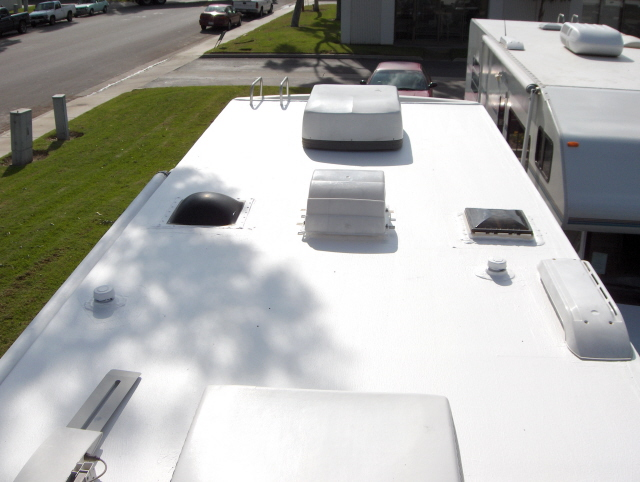
Out of sight, out of mind is not a cliche that should be applied to RV roofs. They should be cleaned several times per year, and inspected for any potential issues.
During cleaning, scrub your RV roof with a medium bristle brush, or any other brush recommended by the manufacturer. You can use a cleaning liquid while doing this, but be sure not to use cleaners made with petroleum solvents, abrasives, or citruses, as those will weaken the strength of the roof materials.
After scrubbing, rinse the whole RV thoroughly, both roof and exterior walls. Any grime dripping off the roof will go down the exterior walls, and if not rinsed, will leave ugly stains.
Inspecting the roof while cleaning is vital, and should be done thoroughly. Check all sealants and seams, skylights, vents, and roof rack for mold and cracks. Fix any rips or tears immediately, before they snowball into other problems.
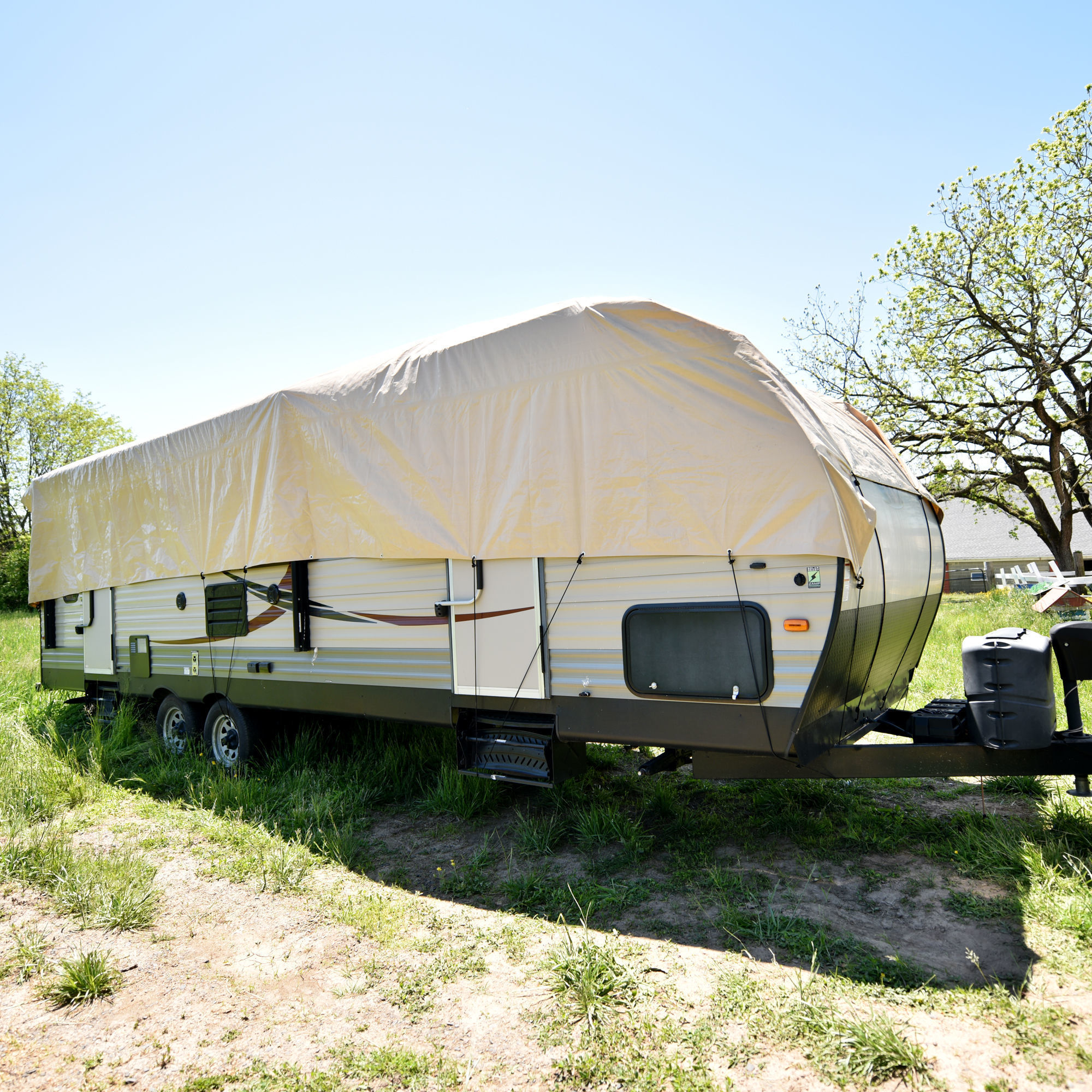
To passively protect your RV roof from weather damage, keep it away from weather, and avoid the sun! RV storage facilities are ideal for protection, but RV roof covers will separate the roof from the elements. Be sure to use a proper RV roof cover and not any other kind of tarp, which can reduce airflow and result in mold.
At Pete’s RV Center, we have all of your RV maintenance needs in mind. Visit us at petesrvcenter.com to find a location near you!
Whether in the middle of a camping season or after a long winter, inspecting your travel trailer for any maintenance needs is a vital component of keeping your RV healthy. Here’s a helpful checklist of what to look for when you’re checking out your RV.
The Roof. Look for any holes or cracks where water could possibly enter the RV, damaged sealant, soft spots, damage to any solar panels, or mold. Just like a house, a damaged roof can bring down the whole RV.
Walls. Check the interior and exterior of all walls for cleanliness, holes or cracks, warping, which indicates water damage, sealant leaks around the windows, and soft spots.
Tires. The date the tire was made is stamped on the tire, so inspect that and the general condition of the tires, which can erode if left uncovered. Look for uneven wear patterns between the different tires, which could indicate a bent axle. While you’re at it, check your axles for holes and rust. And don’t forget to inspect your spare tire!
Underneath the Travel Trailer. Often overlooked by those unwilling to crawl under the RV, the undercarriage’s condition is fundamental to holding the RV together. Excessive rust, holes where animals could enter, dangling or disconnected wires, accident damage or a bent frame, or any visible holding tank issues are a few important things to look for.
Outside Connections. Power, cable, water, and sewer connections should all be routinely inspected, because you don’t want to go without any of them! Check if the water leaks out of the connection point, or leaks during water tank dumping.
Driving Components. Lights, brakes, turn signals, and the emergency disconnect switch should all be checked on to avoid hazardous driving.
Propane Tanks. The tanks collar will state the year they were manufactured, and propane tanks must be recertified once they are over 12 years old, and every 5 years after that. Make sure you don’t smell propane when the valves open, which indicates a leak in the connecting hose. Replace your tanks if they’re rusty or turning a dark color.
For more RV maintenance tips and tricks, follow our Pete’s RV Center Info Blog today!
boondocking (noun) — RV camping without being connected to water, electricity, or sewage, usually in a remote or wild location. Synonyms: dry camping, free camping, wild camping.
One of the most exciting ways to go RV camping, boondocking can be a great new way to spice up your summer. But are you prepared to ration supplies, go without WiFi, and camp off the grid? The Dyrt magazine has a comprehensive guide to all things boondocking, check it out below!
One of the big mysteries of full time RVing to those who don’t live on the road is how do full time RVers do laundry?
The easiest way is the laundry machines often placed in RV parks. One RV blogger said that “I can count on one hand the number of RV parks that didn’t have laundry machines.” Despite this frequency, not all RV parks have enough laundry machines for the number of RVers within the parks, and not all RVers stay in RV parks! Additionally, hunting down all the quarters required to use a park laundry machine can be a struggle in an increasingly cash-less world, especially with the sometimes high cost of laundry machines.
Mountain View Campground in Morrisville, Vermont boasts many amenities along with laundry machines
Another solution is using a local laundromat, typically easy to find on Google, but not always found in remote areas. Most laundromats do have a machine for getting quarters though, making it easier to stock up for more washes down the road. Some even have laundry machines that can be activated with a credit card swipe.
Not every roadtrip situation offers the flexibility to wait around on laundry machines, though. That’s why many RVers have gotten creative with portable laundry devices.
This portable washer-dryer has two neighboring tubs, one for washing and the other for spin drying. It takes up to 10lbs washing capacity and has a drainage tube for emptying the dirty water, and runs off the 120v power similar to most RV refrigerators. Most reviewers do say that after the spin dry clothes are still damp though, so an additional investment of a drying rack is also recommended. Keep in mind that many RV parks do not allow outside clothes lines to dry your own clothes.
A smaller personal laundry option without needing to use your RV’s precious electricity is the Scrubba, which is popular with backpackers. It works by filling the bag with laundry, water, and detergent, rolling the bag down and clipping it, twisting the valve to deflate, then rub the clothes on the Scrubba’s internal washboard for anywhere between 30 seconds and five minutes. You then unclip, pour out the water, and rinse clothes with fresh water in the Scrubba, and they are now clean and ready for the drying rack.
Perhaps the most luxurious RV laundry option is having washer and dryer hookups within your RV, which is becoming increasingly popular in luxury fifth wheels. The laundry cycle can take a few hours this way, and you won’t be able to do this while boondocking, as it requires a lot of power and water, but is temptingly easy if your RV is plugged in one place.
No matter how you keep your clothes clean on the road, Pete’s RV Center has all of your RV camping needs in mind. Follow our infoblog today for more RVing tips, tricks, and news!
The roadtrip of your dreams in your own RV is an inexpensive way to see the world, without the pricey hotels and restaurants that can raise travel costs. But beware, the cost of gas can raise roadtrip rates significantly. Here’s some strategies for limiting your pain at the pump.
Start Small
If you’re looking to purchase a RV, consider an upgrade–in the form of a downsize. Small RVs often pack in just as many features and amenities into a less gas-guzzling frame. There are more options than ever for smaller RVs, including micro travel trailers that are several thousand pounds lighter than most towable vehicles.
Jayco Jay Feather Micro
If you’re shopping for a motorized vehicle, Class B RVs such as the Jayco Swift are exploding in popularity. The size of a standard van, they are by far the most fuel efficient–an easy to park–motorhome.
Jayco Swift
Turn off the engine
Idling is the worst way to burn fuel, and very environmentally destructive. According to the jayco.com blog, “a test performed by the Edmunds.com automotive staff showed a fuel savings of up to 19 percent by shutting the engine down at each stop (10 stops) during a 10-mile test drive, rather than letting the engine idle during the two–minute stops over the same 10-mile, 10-stop test route.”
Be smart about cruise control
Using cruise control on those long, mostly flat stretches of uninterrupted highway can save both your foot and gastank. However, keeping it on in mountain filled areas will force the vehicle to use extra gas to maintain the cruise speed, wasting lots of fuel as the engine speed rises to climb the mountains.
Pack Efficiently
Fill that huge water tank at the campground. Buy groceries near the campsite. Leave behind everything you don’t really need, because camping is about keeping it light and having fun anyway.